HOW TO CHOOSE THE BEST CATAMARAN FOR ADVENTUROUS CRUISING
Scuba diving, kitesurfing, surfing or wing foiling from your catamaran: our guide on what’s important when choosing your boat
If you are someone who thrives on living an adventurous lifestyle, particularly one involving water sports, and you have the luxury of choice, there are specific catamaran features and performance considerations than may make the difference between you having a voyage that’s an adventure of a lifetime, or one that leaves you with regrets, thinking, “if only…”
This article will explore the ideal catamaran from the perspective of the following adventurous cruisers:
- A diver.
- A kiteboarder, windsurfer, and/or wing boarder.
- A surfer.
Even if you do not identify strictly with one of these categories, the insights provided will assist you in choosing a vessel that aligns with your particular adventurous preferences.
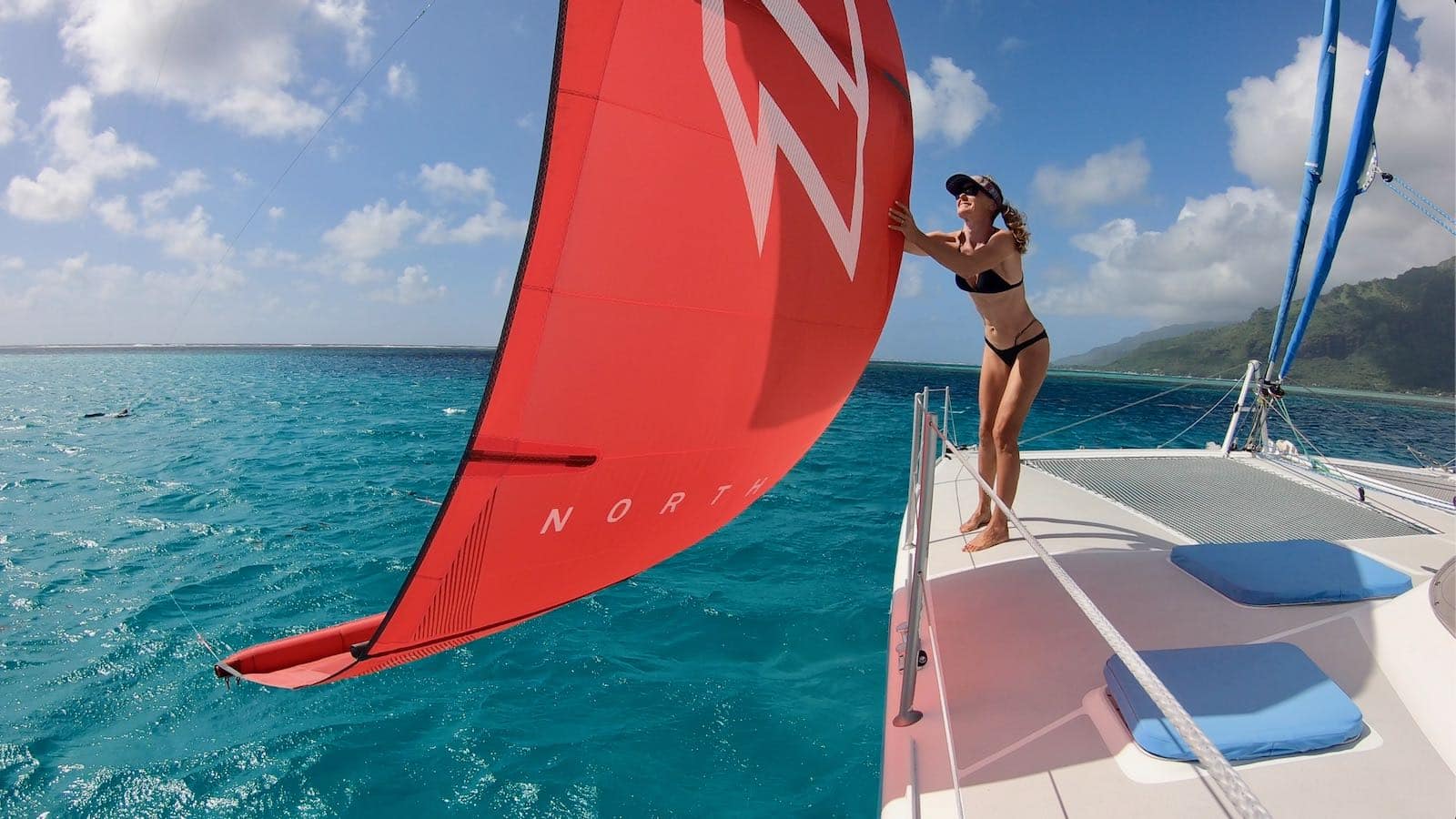
Landing your kite onto your catamaran
Diving: the characteristics that make your vessel an ideal dive platform
Divers seeking the perfect catamaran want to prioritize a vessel capable of comfortably handling rough weather and strong winds. This ensures you can navigate between dive sites under less-than-ideal conditions, thus optimizing your time underwater during calm, sunny days and clear nights at the dive sites.
Speed and upwind performance, while important, take a backseat compared to the need for ample storage capacity. It’s crucial to accommodate not just your primary diving equipment but also additional necessities such as a dive compressor for tank refills, fuel and oil for both the dinghy and compressor, extra fuel for the catamaran’s engines (given the likelihood of increased motoring, especially upwind), and spare parts for maintenance of all the above.
The likely increased use of fresh water for showers and rinsing gear necessitates a catamaran equipped with a large-capacity water maker. Along with that, sufficient electrical generating capability is a must to power the water maker, and also to support a dive compressor if you choose an electric model. Investing in robust solar power solutions and considering an onboard generator becomes indispensable for maintaining self-sufficiency and comfort for your needs.
Having a dinghy capable of covering significant distances from your main vessel is crucial for divers. Such a dinghy must effectively navigate currents and rough waters. This requirement often leads to the selection of a dinghy that is larger and heavier than those typically found with boats in the 40-50 foot range. It’s recommended to equip your dinghy with the most powerful outboard motor it can accommodate, with a preference for a reliable 4-stroke model. This configuration ensures that the dinghy can plane efficiently even when loaded with heavy dive gear and passengers. An ideal dinghy for diving operations would feature an open floor plan, free from the unnecessary weight and clutter of consoles or other non-essential elements. All together, this setup will notably increase the weight at the aft end of your boat, underscoring the importance of choosing a catamaran designed to manage such loads effectively.
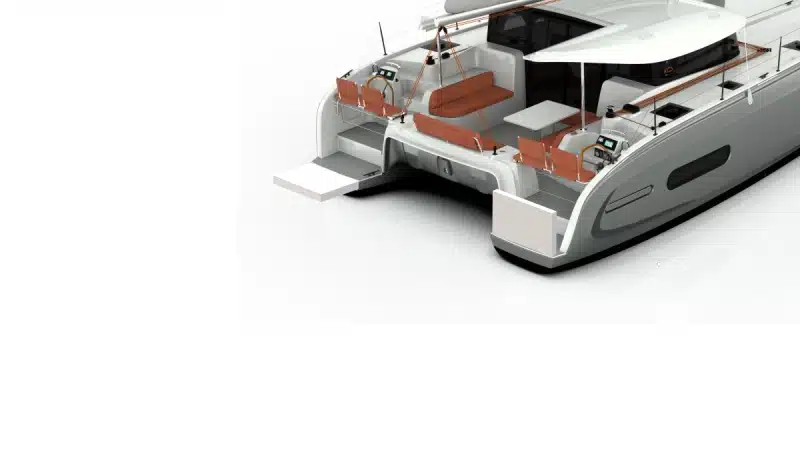
The ease of transferring diving gear, including tanks, around your boat and between the boat and dinghy, is a critical factor. The goal is to minimize fatigue and help prevent personal injuries or damage to equipment and the boat itself. Features that support this consideration, include shallow, wide steps from the transom to the cockpit, minimal or shallow steps between the cockpit and the dinghy, a cut-away in the topsides adjacent to the swim step for straightforward dinghy access, and an uncluttered, spacious cockpit. These design elements significantly improve safety and convenience during diving adventures.
The size of the catamaran is paramount when considering your diving needs. For occasional divers, a smaller or mid-sized boat may be sufficient. However, avid divers should opt for a larger vessel, ideally over 50 feet, mainly to accommodate extensive solar installations and the heavy weight of extra equipment. Additionally, larger catamarans can support features like hydraulic platforms (e.g., Tenderlift) to facilitate easier transfer of gear and dinghy storage. These platforms can be installed on nearly any catamaran of suitable size.
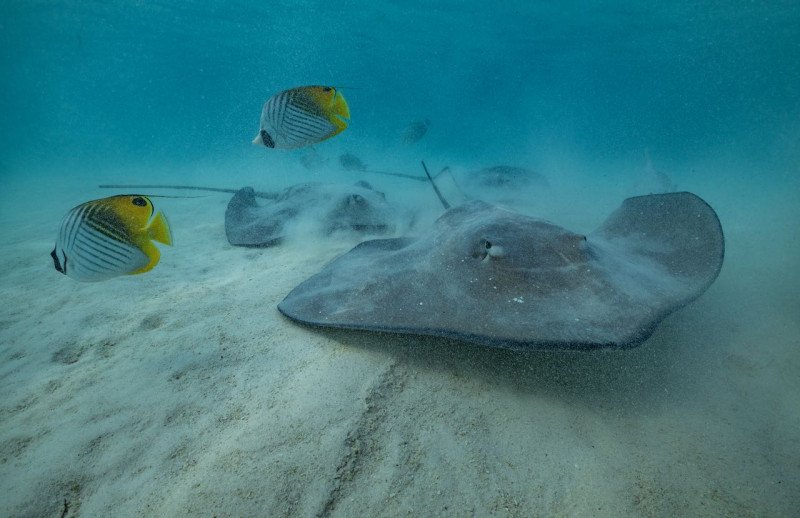
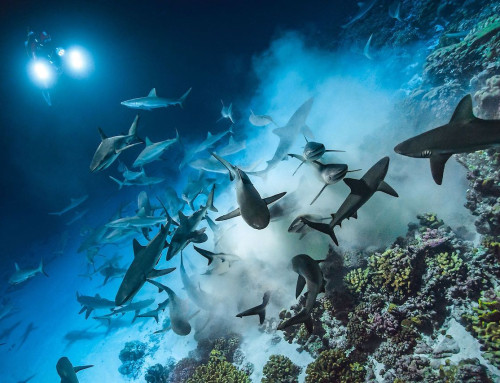
Diving off your catamaran in Moorea
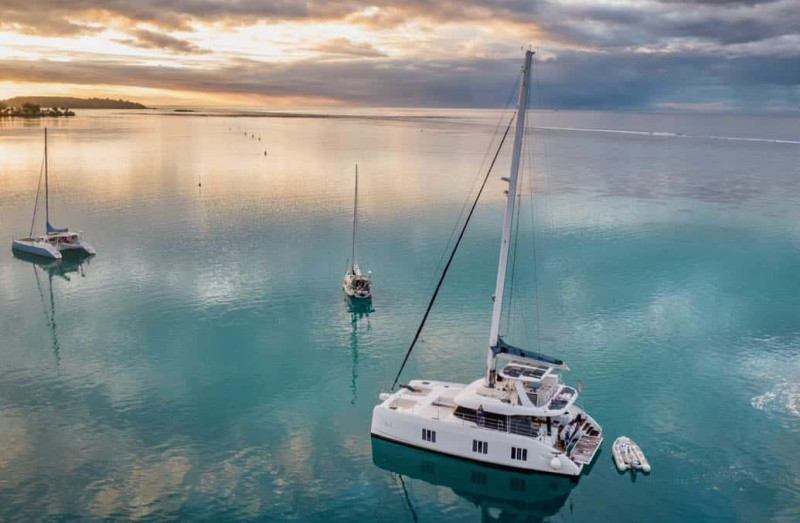
Tenderlift platform : ideal for diving expeditions
Kitesurfing, windsurfing, wing foiling
For kiteboarders, wingsurfers, and windsurfers looking to maximize their time at the best spots when the wind is favorable, you will want to wait until the wind is down before moving locations. This calls for a catamaran with a bias towards performance.
Performance-oriented catamarans are not just about achieving high speeds; their real advantage lies in their ability to maintain good progress under sail even in light wind conditions.
Keeping your boat light in relation to its size is crucial to preserving its performance. This means the smaller the boat, the more limited you are in terms of adding extras. If you desire amenities such as a washing machine, inboard generator, or a large battery bank, you’ll need a correspondingly larger boat to sustain the performance levels necessary for an optimal wind sports experience. This cannot be overstated. Investing in a performance boat only to overload it with heavy equipment is not only a waste of money, but can also pose safety risks. Your broker can provide guidance on what this entails in practical terms, considering factors specific to the boat’s design, rigging, crew size, tankage, and more.
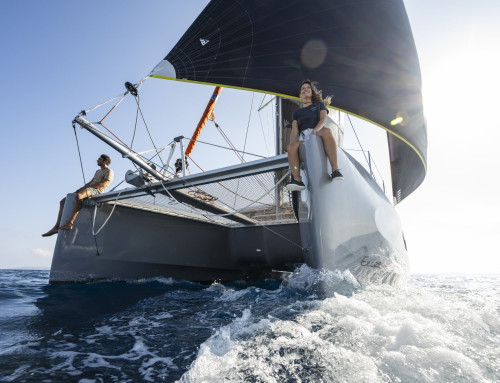
An open foredeck is highly beneficial, especially for drying kites, wings, and windsurfing sails. Performance catamarans, which often feature larger trampolines compared to their slower, heavier counterparts, provide the perfect space for drying gear. Moreover, an open foredeck facilitates the landing of kites directly onto the boat with the help of an assistant, which prevents needing to dry them in the first place.
Landing kites on boats with cluttered or smaller foredecks is more challenging and carries a greater risk of damage from situations like snagging on blocks or chafing on non-skid. Wide swim steps are ideal, especially for kiting. The larger the platform, the easier it will be for you to rig, launch, and retrieve your gear.
A dinghy that is fast and has an open floor plan is well suited to serve as an assist craft, helpful in situations like changing winds, equipment failure, injury, or simply for “down-winder” sessions. An open floor plan greatly simplifies the process of launching and retrieving riders and gear.
Lastly, ensure your ground tackle is strong enough to withstand extended periods anchored in moderate to strong winds. This doesn’t necessarily mean opting for heavier chain and anchor but does emphasize the need for adequately sized gear for the stronger conditions, and especially for reliable chafe protection on the bridle and/or rode. It’s also advisable to select an anchor design known for its reliable holding power and ability to reset in the types of seabed you’ll encounter. This seems like obvious advice, but many people do not consider the effects of the choppy water and stronger winds you’ll be anchoring in more frequently than the average cruiser.
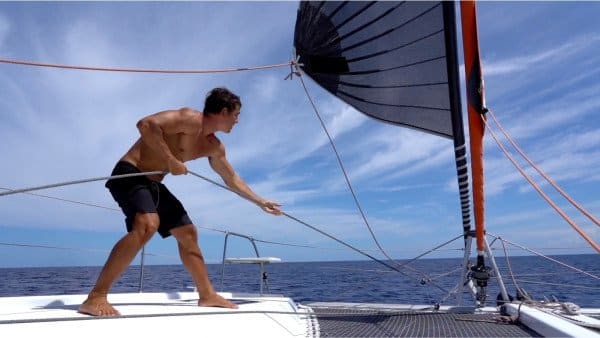
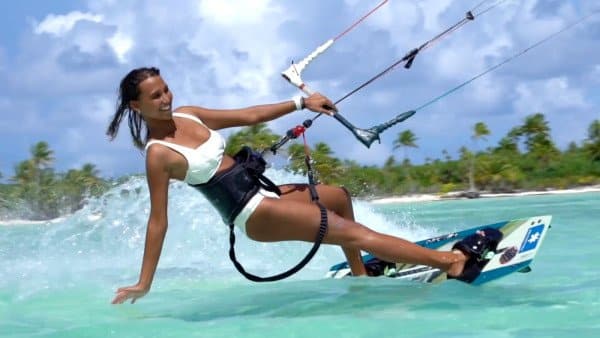
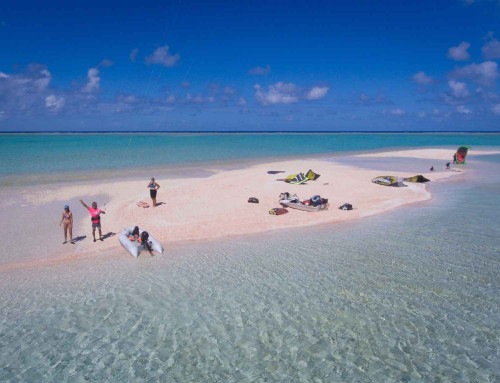
Kitesurfing in the pristine waters of French Polynesia
Surfing: what to consider if sailing between surf spots is your objective
As a surfer, setting sail for prime locations ahead of a swell often requires dealing with less-than-ideal weather conditions. Your boat design brief should prioritize simplicity and performance, essential for avoiding the frustration of missing out on swells due to discomfort or slow speeds resulting from challenging conditions. Similarly to wind sports enthusiasts, it’s critical to maintain your boat’s lightness in proportion to its size. This requires carefully considering the necessity of any gear or systems you plan to have onboard.
To maximize your time surfing, simplify your onboard systems. Emphasize low-maintenance, high-efficiency options like solar power systems with high-quality, well-installed lithium batteries over alternatives that demand more upkeep, such as generators and traditional lead-acid batteries. Though options like water generators have their merits, a well-planned, high-performance solar and battery setup is typically more beneficial, thanks to its simplicity and dependability.
Opting for a catamaran that is relatively comfortable in swells is crucial, particularly in the dynamic water often found at anchorages for premier surf spots. To minimize rolling and pitching, consider lightening the rig and both ends of the boat. Implement solutions like textile shrouds, high-tensile anchor chains, lightweight dinghies, Dyneema halyards, and potentially a carbon mast to greatly aid in achieving this. Centralize weight near the waterline and towards the boat’s center to further enhancestability and comfort. These strategic choices, especially regarding the reduction of weight aloft, can significantly improve your comfort, whether you’re underway or at anchor.
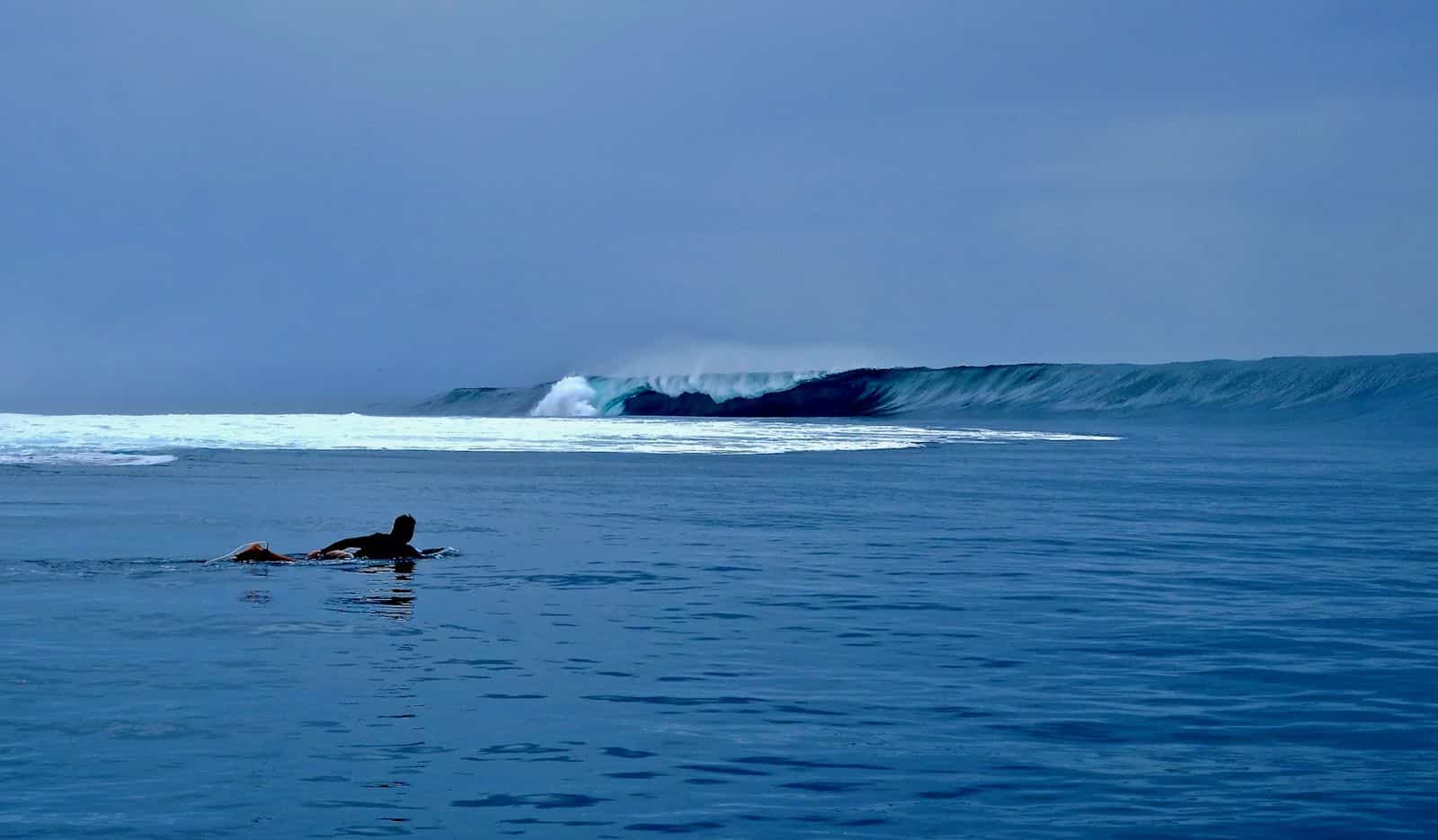
Surfing Teahupoo on the island of Tahiti
Other considerations: equipment that will help make your sailing adventure a success
Having a dependable method for tracking weather and swell conditions is critical, so ensure you have at least two independent systems for receiving and interpreting this data. A commonly recommended approach is to use Starlink, with an Iridium Go as a backup, providing redundancy and enhanced safety.
The capacity to store provisions and fuel greatly influences how long you can stay at remote surf locations. Invest in a large, efficient freezer to significantly enhance your ability to store perishables while not using too much power. Keep a stock of long-lasting rations, such as MREs or freeze-dried camping food, to further prolong your stay. These are lightweight, durable, and relatively nutritious, allowing for extended periods at prime spots without needing to resupply. Although canned food offers a more budget-friendly alternative, its heavier weight makes freeze-dried foods a more efficient choice for both storage and nutrition for the surfer truly dedicated to not miss any good swells.
Anticipate your power needs to be higher than initial estimates and plan your solar system capacity accordingly. Relying on your boat’s main engines or a generator can increase maintenance requirements, require you to store additional spare parts, and raise overall fuel consumption. While water and wind generators can be beneficial under certain conditions, they shouldn’t be your sole power sources, especially when anchored. Remember, the less maintenance you must perform, and the greater your power and food stores, the more you can focus on adventures in the ocean above all else.
Learn more about equipment choices for ocean sailing here >>
Case study
My wife and I are avid ocean sports enthusiasts, to the point where a significant portion of my professional income over the past 20 years resulted from my participation in surfing, kiteboarding, sailing, and diving. We recently spent almost 10 years cruising full-time, mostly in French Polynesia. We needed a catamaran well suited to a wide range of adventure activities, that could operate off-grid for extended periods of time, and that we loved to sail.
We purchased our boat, Kiapa Nui, from a couple represented by Sail Tahiti. She was a one-off performance cruising catamaran, designed to be lightweight, simple to operate, comfortable at anchor, and seaworthy in all conditions. She had keels, and her light weight, narrow hulls, and long “hollow” bows helped her perform well on all points of sail and in a wide range of conditions without the added complexity of daggerboards.
Kiapa Nui was equipped with wide swim steps, an ultralight 11’ dinghy with a 20 horsepower outboard, a self-tacking jib, wide open foredeck, high-quality lithium battery bank, and many other features that made her well suited for ocean adventures.
If we could do it again, we would have added more solar, and perhaps modified the topsides adjacent to the swim steps by cutting some of it away to make it easier to transfer gear into the dinghy.
With her uncluttered cockpit (no table) and lack of creature comforts like washing machines, or even doors on the cabins, she was not well suited for everyone. But adventure and performance were our top priorities after safety, and she delivered in droves. You can see Kiapa Nui in action on the YouTube channel “Two Afloat Sailing.”
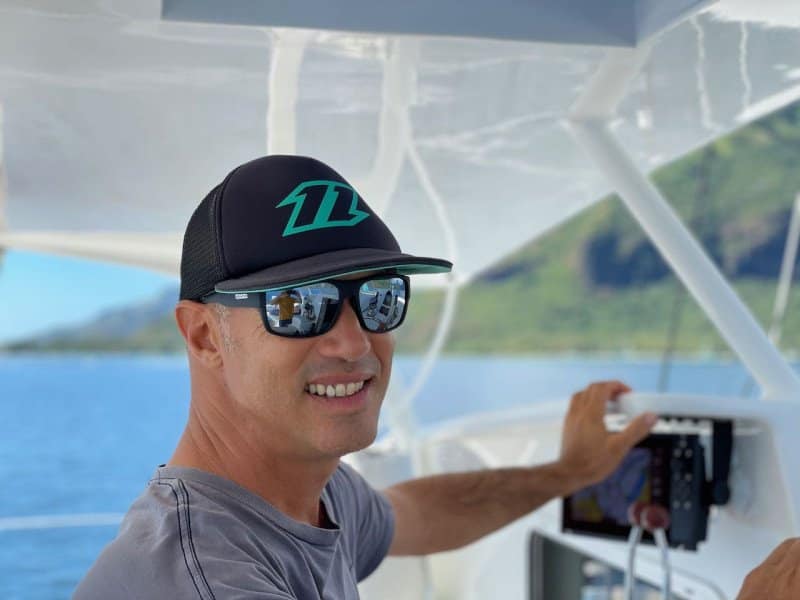
Ryan Levinson on his performance catamaran Kiapa Nui
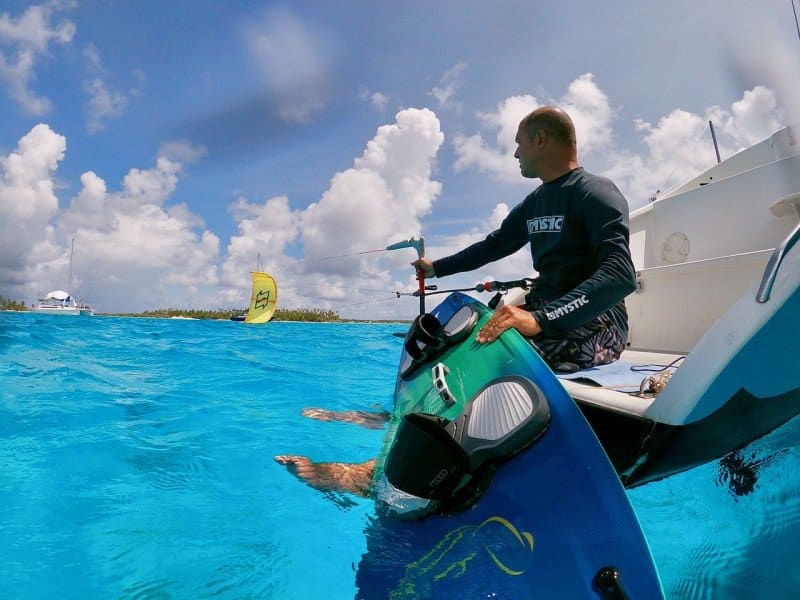
Launching your kite from your catamaran
Summary
I hope this article has empowered you with some perspectives and information that will help you as you make the many decisions involved in choosing the perfect catamaran for adventurous cruising. The professionals at Sail Tahiti are all adventurous, experienced sailors, and are an invaluable resource as you navigate the many options on the market. Whatever catamaran you end up with, I wish you fair winds, following seas, and adventures beyond your wildest dreams.
About Ryan Levinson
Sail Tahiti Ocean Adventure and Safety consultant
For 10 years Ryan and his wife Nicole have been sailing and exploring full-time in French Polynesia uncharted waters. They found perfect tradewinds, surfed perfect empty reef waves and dived in crystal clear waters filled with coral and fish. They know some of the most remote spots from Marquesas to Tuamotus and the Society Islands and have sailed over 20 000 nautical miles.
Ryan managed this adventurous life despite his genetic disease called Facioscapulohumeral Muscular Dystrophy (FSHD) that causes muscles throughout his body to continuously weaken. Ryan says, “I have to constantly innovate new ways to do the things I love but that’s part of the adventure.” Before sailing away from his hometown of San Diego, California Ryan enjoyed success in a variety of ocean and wind sports including a national championship victory in sailing, competing as a member of the US Sailing Team, captaining a luxury super yacht, and leading the Emergency Medical/Rescue team for the Big Wave World Tour. Ryan’s passion for helping people deepen their love of the ocean through sports led him to become a PASA and IKO certified kiteboarding instructor in addition to SCUBA diving, windsurfing, sailing, surfing, and expedition kayaking. He started a kiteboarding school that grew to be the largest in California at the time with locations in San Francisco, San Diego, and Mexico before he sold it and began a series that led to the voyage he’s currently on.
Ryan is an American Sailing Association(ASA) certified instructor certified to teach nearly every level they offer and collaborates with our team to help our clients find the best boat for their adventure-sailing project, prepare her and get ready for the trip of a lifetime. Ryan does on-demand private coaching sessions.
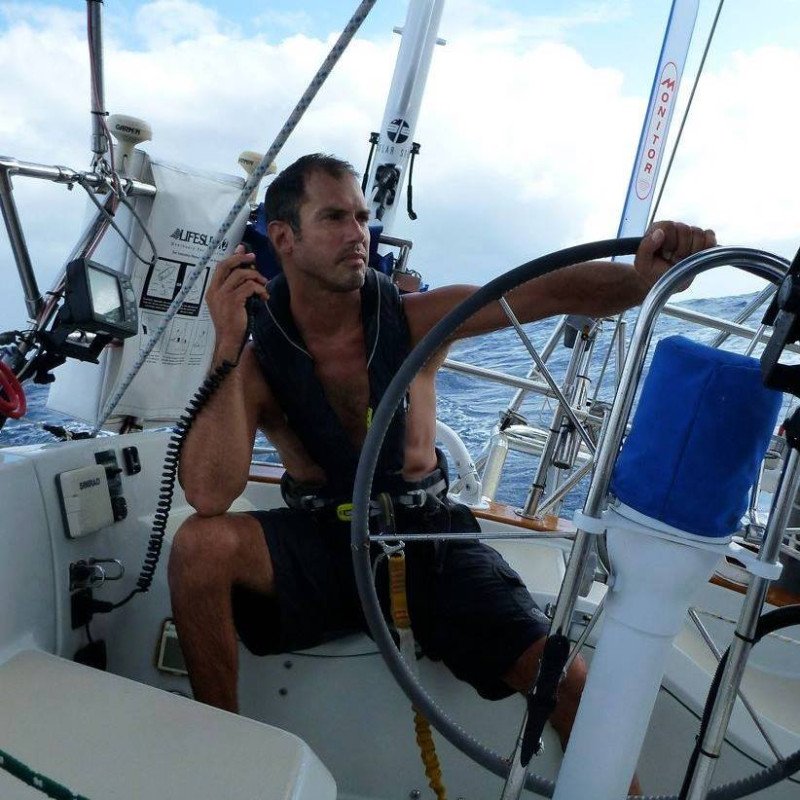
Ryan sailing from the Pacific NW to French Polynesia
The Excess Lab
The Excess catamaran brand, intimately linked with adventure and water sports, has launched an innovative forum called Excess Lab. They invite all sailors, whether they own a catamaran, are considering buying one to go cruising, or are simply dreaming of future adventures on the water, to exchange ideas with the brand’s designers, engineers and naval architects. We’ve spotted a few interesting topics, such as folding aft transoms or ways to stay connected at sea. By registering on the Excess Lab, you can ask questions, create discussion topics and get sneak previews of future catamaran models.